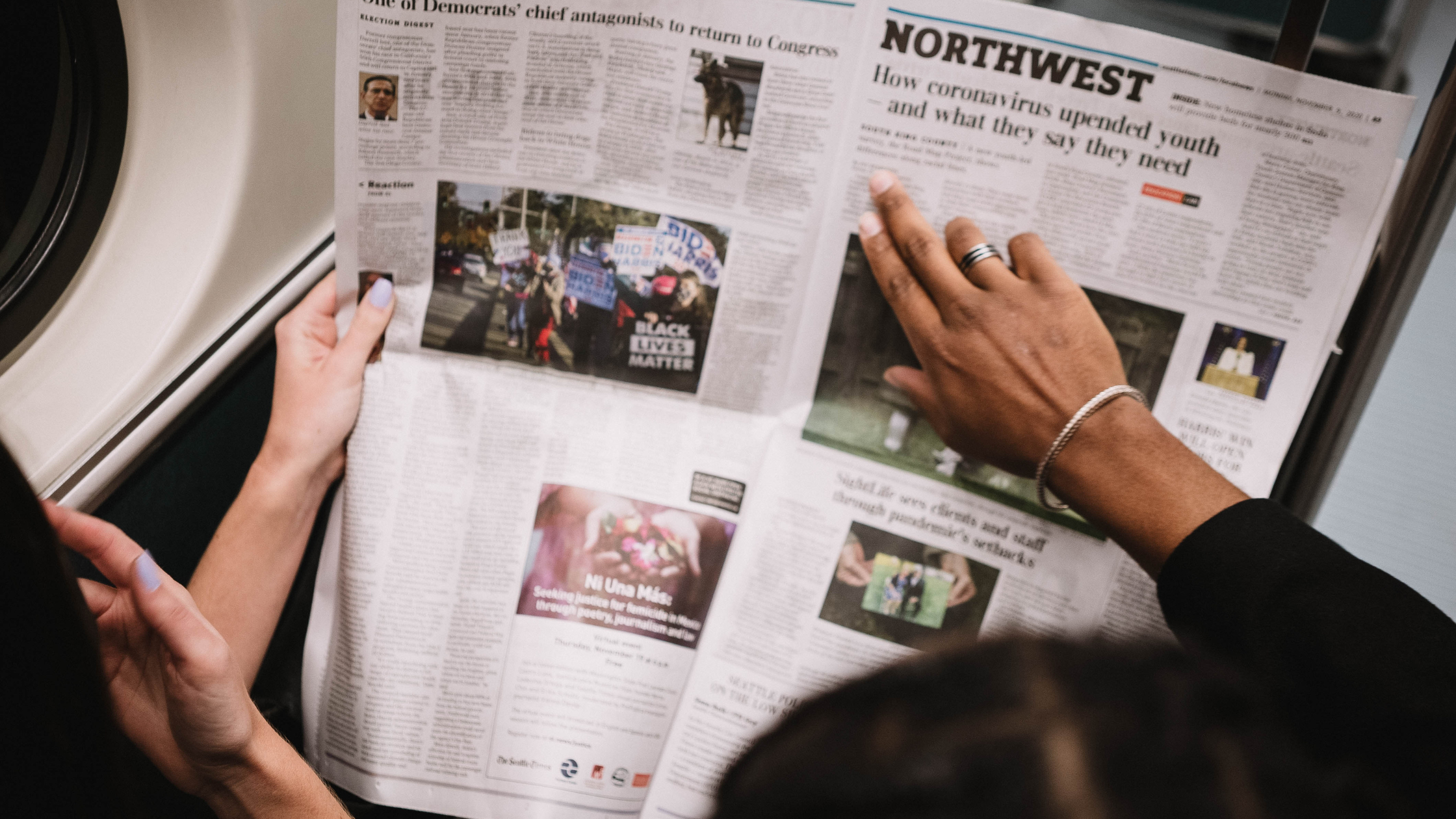

Through the Lens: Media Bias in South Africa
“Every news story is told through a lens — the question is, whose lens is it?”
In South Africa, media bias is a powerful force that shapes our understanding, beliefs, and decisions as citizens.
In the latest episode of Inside SA Media, we explore the multifaceted nature of media bias, from subtle editorial choices to systemic influences that have shaped South Africa’s media landscape for decades.
What Do We Mean by “Media Bias”?
Bias isn’t always blatant. Often, it’s found in the details:
Selection bias involves choosing which stories are highlighted and which are ignored. For instance, a rural drought might be overshadowed by a city water outage in the news. Examining headlines over several days often reveals that urban issues receive more coverage than those affecting rural communities. This pattern suggests these choices reflect systemic biases in media selection.
Framing bias involves how the same set of facts can be presented in different ways to influence perception. For example, a service delivery protest might be described as “violent unrest,” which focuses on disorder, or as “citizens demanding justice,” which highlights legitimate grievances. These word choices shape whether audiences view protestors as troublemakers or as people seeking accountability.
Partisan bias occurs when coverage leans toward or against a particular political party or ideology. A news outlet might amplify the successes of one party while downplaying or criticizing the actions of its opponents. Over time, this creates a media environment where audiences are nudged toward certain political loyalties without realizing it.
Ownership bias reflects how the political or business interests of media owners shape editorial decisions. For instance, a media house owned by a company with mining investments might minimize stories about environmental harm caused by the sector. This often means audiences get a filtered version of events that aligns with the interests of those in power.
Recognising these patterns is key to understanding how narratives are shaped in ways we don’t always notice.
Looking Back: Apartheid-Era Bias
During apartheid, mainstream outlets amplified government views and silenced dissent. A few papers, like The Weekly Mail, risked much to cover stories the regime tried to hide. The Citizen scandal highlighted how papers were secretly used as propaganda under the veil of independence.
Post-1994: Freedom, But Not Free of Bias
With democracy came a more diverse and independent press. Investigative units like amaBhungane and Mail & Guardian flourished, exposing corruption and holding leaders accountable.
But bias did not disappear; it shifted. Corporate ownership, political influence, and economic pressures began shaping editorial choices in subtler ways. Whether through 'softened' reporting to protect advertisers or accusations of partisan leanings, bias persisted in a new form. To address these challenges, several South African media organizations have adopted codes of conduct and established editorial guidelines to ensure balanced reporting. Initiatives such as the Press Council of South Africa's Code of Ethics and Conduct provide frameworks for promoting fairness and accuracy in journalism.
The Present: Ownership, Power, and Trust
Today, questions of ownership and influence are front and centre. Independent Media, under Sekunjalo, has faced criticism for editorial interference, while other groups are seen as reflecting the perspectives of an urban elite.
Meanwhile, public trust in journalism is fragile. As audiences grow sceptical, some turn away from mainstream media to alternative outlets that do not always prioritize facts, increasing the risk of misinformation. To navigate these challenges, audiences must evaluate sources effectively. Tips include checking the outlet's background and ownership, reviewing the author’s qualifications, comparing coverage with reputable sources, and looking for transparent corrections and accountability. These simple strategies help audiences make informed choices and avoid misleading information.
Why Media Bias Matters
Unchecked bias shapes public opinion, voting behaviour, and even national debates. It can tilt the playing field without citizens realising it.
But awareness changes everything. By asking questions like Whose voice is being amplified? Whose is missing? We become more active, critical consumers of news.
A Call to Media Literacy
Journalists carry responsibility, but so do audiences. Media literacy gives us the tools to:
- Compare coverage across outlets
- Recognise when facts are being framed to push an angle-️ Understand the influence of ownership and politics-️ Demand transparency from the newsroom
To apply media literacy in everyday life, users can cross-check headlines from different sources to spot consistencies and discrepancies. Researching authors’ backgrounds and potential biases is crucial. Audiences should also support news outlets with a record of issuing transparent corrections. These steps help ensure the information we consume and share is accurate and reliable.
Informed citizens make stronger democracies. And in South Africa, where the struggle for truth has always been tied to the struggle for freedom, this has never been more urgent.
Watch the full episode: Inside SA Media | Through the Lens of Media Bias in SA | Episode 10 | Tribe Ox Media | Fact Fort
#InsideSAMedia #MediaBias #MediaLiteracy #FactFort #TribeOxMedia