
Media Literacy as a Democratic Right
In a democracy, the power of the people rests on the fragile assumption that citizens can make informed decisions. However, in a time where misinformation spreads faster than truth, can South Africa still rely on that assumption? Democracy is about more than just casting a vote. It’s also about making a choice based on facts, not lies. Yet millions of South Africans scroll through their newsfeeds daily without the skills to distinguish fact from fiction. Without the ability to critically engage with information, democracy falters and citizens are voting in the dark.
The results are worrying:
Afrobarometer (2023): Only 3 in 10 South Africans trust news from social media.
Media Monitoring Africa: Found serious gaps in digital and media literacy, especially among young people in rural areas.
WhatsApp rumours have triggered unrest, panic-buying, and even violence — from the 2021 July unrest to election-time conspiracy theories about vote rigging.
Without the ability to critically engage with information, democracy falters. It means citizens are voting in the dark.
The South African reality
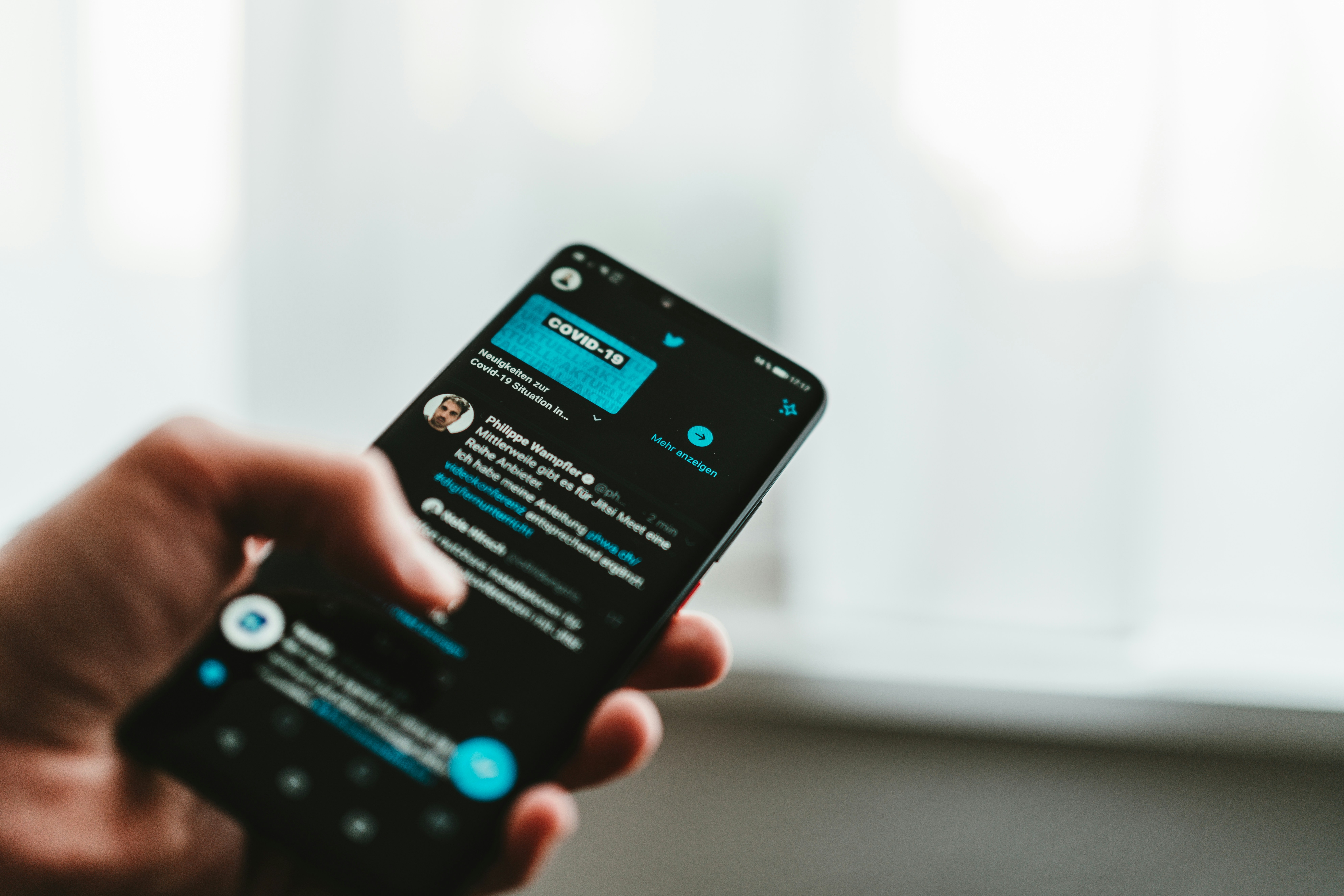
During COVID-19, rumours that vaccines were a 'Western plot to kill Africans' spread widely. Many refused treatment, some died. However, there was a glimmer of hope amid the chaos. Community radio stations took to the airwaves to debunk these myths. Through engaging programming and interviews with local healthcare professionals, they managed to change perceptions, and many people who initially refused vaccinations agreed to get their shots. In 2021, WhatsApp and Facebook were used to spread false claims that fuelled looting and destruction during the July unrest.
These weren’t just isolated incidents. They were symptoms of a deeper crisis, and a lack of structured media literacy education in schools, communities, and even among working adults.
Treating media literacy as a right
If the right to vote is enshrined in the Constitution, then surely the right to understand information should be too. Media literacy must be treated as a civic right, as essential as the right to free speech. One tangible first step for policymakers could be to pilot media literacy curricula in ten schools across different provinces. This pilot program could include developing a curriculum focused on critical media consumption, training teachers to equip them with necessary skills and methodologies, and implementing assessment methods to evaluate both student progress and the program’s effectiveness. By doing so, we set a precedent and demonstrate how feasible it is to integrate this critical education into our system.
This means:
Integrating media literacy into school curricula.
Expanding community-based digital skills programmes.
Supporting initiatives that make fact-checking tools accessible in local languages.
At Fact Fort, our mission is to close this gap. Through workshops and developing interactive tools, and storytelling in local languages, we help people ask the right questions: Who benefits from me believing this? Where did this information come from?
Because democracy without informed citizens is no democracy at all.